Introduction
Starting a successful blog is like setting out on a new adventure—one that’s filled with opportunities for personal growth, creative expression, and even financial freedom. However, with a sea of information available, getting started can feel daunting. But don’t worry—I’m here to guide you through the process step by step. By the time you finish reading this guide, you’ll be well on your way to creating a blog that not only engages your audience but also generates income.
Pin this for later

Step 1: Choose Your Niche
Choosing a niche is the foundation of your blog, and it’s important to select a topic that you’re genuinely passionate about. But passion alone isn’t enough; you also need to ensure there’s an audience for your chosen niche. Start by exploring your interests and consider how they align with current trends or popular topics. Tools like Google Trends, Pinterest, and niche-specific forums can be invaluable in identifying what people are searching for.
Once you’ve narrowed down your interests, think about how you can carve out a unique space in the blogging world. Instead of going broad, like creating a general food blog, you could focus on “quick vegan meals for busy professionals.” This specificity will help you stand out in a crowded market and attract a dedicated audience.
Step 2: Set Up Your Blog
With your niche selected, it’s time to bring your blog to life. The technical side of blogging might seem intimidating, but it’s simpler than you think. Start by choosing a domain name that’s easy to remember and reflective of your niche. Your domain name is your blog’s address on the internet, so make sure it’s something that will stick in your readers’ minds.
Next, you’ll need a web host to make your blog accessible online. Reliable and beginner-friendly options like Bluehost, SiteGround, or HostGator are excellent choices. They offer affordable plans and good customer support, which is crucial when you’re starting out.
After securing your domain and hosting, it’s time to choose a blogging platform. WordPress is a popular choice because of its flexibility and extensive library of plugins. Once WordPress is installed, select a theme that complements your niche. Look for a theme that’s clean, mobile-responsive, and easy to navigate. Remember, first impressions matter, so invest some time in making your blog look polished and professional from the start.
Step 3: Create High Quality Content
Content is the heart of your blog. Your posts need to be engaging, informative, and valuable to your readers. Start by brainstorming topics that are relevant to your niche. Tools like Answer the Public and BuzzSumo can help you discover what questions people are asking and what topics are trending.
When writing, focus on solving problems or answering questions your audience may have. Whether it’s a step-by-step tutorial, a list of tips, or a product review, your content should always aim to provide value. Don’t forget about search engine optimization (SEO)—use relevant keywords naturally throughout your posts to improve your chances of ranking on search engines. However, always prioritize your readers’ experience over SEO. Writing with your audience in mind will naturally improve your content’s quality and relevance.
Free Resource – SEO Starter Guide
Step 4: Build An Email List
An email list is one of the most powerful tools in your blogging arsenal. It allows you to connect directly with your readers, build relationships, and promote your products or services. To start building your list, offer something valuable in exchange for your readers’ email addresses. This could be a free ebook, a checklist, or a mini-course—something that solves a problem for your audience.
Use email marketing platforms like Mailchimp or ConvertKit to manage your list and send regular newsletters. Keep your emails personal and engaging, offering exclusive content or insights that your subscribers can’t get anywhere else. This will not only help you retain subscribers but also position you as a trusted authority in your niche.
Free Resource – Email Marketing Checklist
Step 5: Monetize Your Blog
Now comes the exciting part—turning your blog into a source of income. There are several ways to monetize your blog, and you can choose one or combine several to diversify your revenue streams.
- Affiliate Marketing: This is one of the most popular ways to monetize a blog. By promoting products or services you love, you can earn a commission for every sale made through your referral link. The key to successful affiliate marketing is to recommend products that genuinely resonate with your audience.
- Sponsored Posts: Once your blog gains traction, you might be approached by brands to write sponsored posts. These are posts that feature a brand’s products or services in exchange for payment. Always be transparent with your readers by disclosing sponsored content.
- Selling Digital Products: If you have expertise in a particular area, consider creating digital products like ebooks, online courses, or printables. These products can be sold over and over again, providing a steady stream of income.
- Display Ads: By joining an ad network like Google AdSense, you can earn money by displaying ads on your blog. This method works best if you have a lot of traffic, as you’ll earn money based on the number of impressions or clicks the ads receive.
- Offering Services: If you have a skill that others might find valuable—such as graphic design, writing, or coaching—you can offer these services through your blog. This is a great way to leverage your expertise and build a client base.
Step 6: Bonus Step – Optimize And Scale Your Blog
As your blog grows, it’s important to continuously optimize your strategies and look for ways to scale. Regularly review your analytics to understand what’s working and what isn’t. Experiment with different types of content, marketing strategies, and monetization methods to find the most effective approach for your audience.
Consider diversifying your income by exploring additional revenue streams such as membership sites, webinars, or creating a YouTube channel. The blogging world is dynamic, and staying flexible will help you adapt and thrive.
Get the FREE DCP Blog Launch Checklist
Conclusion
Starting a blog is a rewarding journey that opens up endless possibilities. By following these steps, you’ll be well on your way to building a blog that not only fulfills your creative passions but also generates a steady income. So, what are you waiting for? Start your blogging adventure today!
- Ready to Turn Your Blog into a Profitable Business?
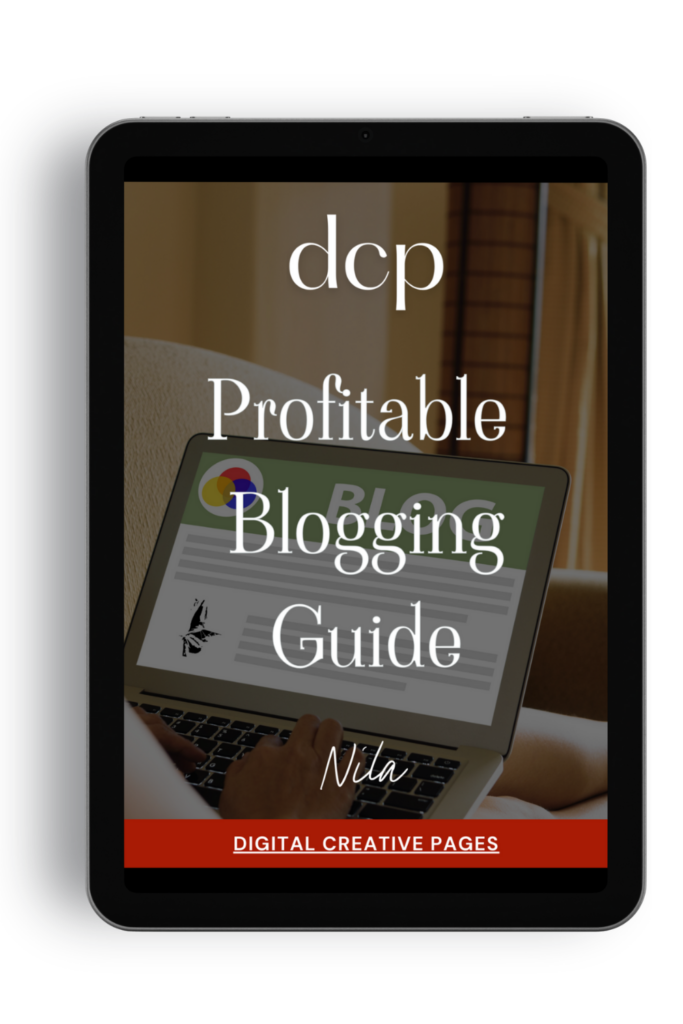
- Introducing the DCP Profitable Blogging Guide—a complete roadmap to transforming your blog into a successful venture!
- This guide covers everything you need to know, from starting your blog to growing your audience and monetizing your content. It’s perfect for aspiring bloggers, content creators, and entrepreneurs eager to turn their online presence into income.
- This Profitable Blogging Guide helps you find your ideal niche, set up a professional blog, create essential content, grow your readership, monetize your blog, and scale your blog business.
Stay connected outside my social media with my weekly Newsletter – Digital Content Pages
MY TOP POSTS
- Blogging SEO Tips That Will Make You Rank Higher Now
- Pinterest Strategies That Will Drive Traffic To Your Blog Now
- How to Create a Cohesive Instagram Aesthetic Now
- Mindfulness Practices For Women That Will Decrease Anxiety Now
My introducer post – check out why I chose Showit as my website builder here
Use my code DCP to get one 1.5 months free on Showit
Get all the resources without breaking the bank from my DCP Shop here
Pin this for later
By signing up for my freebies, you are agreeing that I can use your email address to market to you. You can unsubscribe from marketing emails at any time by using the link in my emails.
Previous post
next post
Search + Enter

meet nila

Hi. I am
Nila
Beta reader, book editor, Pinterest manager, Showit VA
I’m a beta reader and book editor and PA for authors, specializing in story clarity and developmental feedback. I run a sustainable online business that keeps working for me 24/7.
Along with this, I offer Pinterest management for overwhelmed creatives and entrepreneurs and set up and customize Showit templates when the tech side gets too overwhelming.

My Shop
Buy now
i need it

Free Stuff
get the goods
check it out

My Favorites
apps + Tools
Yes, please


