Introduction
A truthful guide for authors who want real feedback—not confusion
Hey there. If you’re an author who has poured heart and time into writing your book, chances are you’ve heard of beta readers. And also the 5 big myths of beta reading.
But what are beta readers really supposed to do? If you’ve googled it, asked in writing groups, or even tried hiring someone before—you’re probably overwhelmed with mixed messages. Some say beta reading is unpaid. Others call it a quick reader opinion. Some confuse it with editing. And others think beta readers just tell you whether they “liked” the book. Some have even gotten angry because they thought they were getting a writing coach.
The Truth
Beta reading, when done right, is an early stage editorial assessment. It gives you insight on clarity, flow, character arcs, and emotional connection—before you spend money on a full edit or send it off to agents.
And if you’ve been second-guessing your plot, feeling unsure about your pacing, or wondering if your story “makes sense,” this is where professional beta reading feedback bridges the gap.
Let me bust the biggest myths I have seen authors believing over the last 8 years. This will help you feel more confident about what you need (and don’t need) when polishing your manuscript.
Pin this for later
Myth 1: Beta readers are just casual readers who tell you if they liked the story.
This is the most common—and most harmful—myth. Yes, some beta readers are casual readers. But if you’re publishing professionally (self-published or traditional), you need more than “I liked it” feedback.
A professional beta reader does not read like a fan. They read like a developmental editor. They know how to spot what’s missing, what’s murky, and what might confuse or disengage readers long before an editor ever sees your draft.
You’ll get insights like:
- Where the pacing lagged or felt rushed
- Whether the emotional arc landed or felt underdeveloped
- If your characters were distinct—or blurred together
- If readers stayed hooked (or skimmed through key scenes)
- Where your world-building made sense (or felt confusing)
If you’re working with me, I treat beta reading as the first stage of a deeper editing process—not a casual opinion swap. You don’t need flattery. You need clarity. And that’s exactly what a skilled beta reader gives.
Want easy, practical content tips to grow your business? Join my weekly email list for Canva tricks, new social media updates, and simple strategies that actually work.
Myth 2: Beta readers work for free—or for a thank you in the acknowledgments.
Let’s be honest: a quick beta read from a friend is not the same as a professional service.
Yes, unpaid betas can be helpful—but their time is limited, their feedback often vague, and the results… mixed.
A paid beta reader is invested in your book’s success.
They have systems. They look for narrative flow, character depth, and voice. They read your genre. They leave thoughtful comments.
And most importantly—they give you feedback in time to fix structural issues before you invest in line editing or copyediting.
Think of it this way:
- Free beta: Reads on the train and sends a 3-line email.
- Professional beta: Annotates your manuscript, sends a multi-page report, and walks you through story-level concerns.
If you’re serious about publishing, paying for early feedback is not indulgent. It’s strategic.
Myth 3: Beta reading is the same as developmental editing.
It’s easy to confuse these two—but they serve different stages of the writing process.
Let’s break it down:
| Stage | What It Does | When You Need It |
|---|---|---|
| Beta Reading | Big-picture reader experience. Are they engaged? Is the story working? | After your draft is complete, before edits |
| Developmental Editing | Deep structural edit. Fixes plot holes, pacing, arcs, and structure. | After you’ve done a few revisions and want to polish the bones of the story |
| Line Editing | Focuses on sentence flow, tone, and word choice. | When the structure is solid and you’re refining style |
| Proofreading | Final grammar, spelling, formatting check. | Last step before publishing |
As a hybrid editor, I actually offer what I call a “beta edit”—a four-round process that gives you developmental-level support with the gentle hand of a reader.
So yes, you can blend stages—but only if you know what you’re paying for.
Myth 4: Beta readers will tell me exactly what to fix.
Not quite. Beta readers won’t rewrite your chapters. They won’t restructure your scenes or edit your dialogue. That’s what developmental and line editors do.
What they will do is give you reader reactions, clarity flags, and questions—so you know what isn’t landing. They help you see your story the way a stranger would—with no context and no attachment. That’s the kind of clarity most writers can’t access on their own.
Here’s what you can expect from my developmental editing process:
- Round 1 & 2 (Development Beta): Feedback on story structure, pacing, voice, and narrative tension.
- Round 3 (Line-Level Beta): In-line comments on clarity, tone, and flow—with an eye for emotional impact.
- Round 4 (Final Beta + Proof): Light proofreading plus a final pass to check if your revisions worked.
You’ll receive a summary report + annotated manuscript for each round. And if something isn’t working, I’ll flag it and guide you toward solutions.
You stay in creative control—but with strategic feedback in hand.
Myth 5: Beta feedback means I’ve failed.
This one breaks my heart the most. Getting critical feedback doesn’t mean you’re bad at writing. It means your story is evolving—and that’s a good thing. Even bestselling authors get beta feedback. Even editors work with editors.
It’s not about judgment—it’s about growth.
If I tell you your midpoint drags or your character feels flat in Chapter 8, it’s not because you did something wrong. It’s because you’re too close to the story to see it clearly.
Every author is. Even the published ones.
And sometimes? Your words don’t create the mental image you thought they would. That’s why part of my feedback focuses on visual clarity—can the reader see what’s happening? Can they feel it?
If not, I’ll help you strengthen the sensory detail, tighten the flow, and bring your scenes to life. Feedback is a bridge, not a barrier.
Pin this for later
So, What Is Beta Reading (Done Right)?
It’s not casual.
It’s not random.
And it’s definitely not fluff.
It’s a guided feedback process that helps you find gaps, tighten your story, and get closer to a publish-ready manuscript. It’s the step that shows you what’s working, what’s falling flat, and how to course-correct with confidence.
Whether you’re a first-time author or already published, beta reading helps you see your book clearly. It gives you reader insight before public reviews roll in. And it gives you peace of mind before investing more in edits.
Final Thoughts: You Deserve Thoughtful, Strategic Feedback
You’ve worked hard to get your manuscript to this point. You deserve more than vague reactions or confusing critiques. And you deserve clarity.
If you’re unsure whether your plot lands…
Or are wondering whether the story works…
And if you’re ready to strengthen your story without losing your voice…
That’s what I help with.
This is where we bridge the gap between a good story and a great one.
Let’s Work Together
Want to know if beta editing is right for your book? Whether you’re stuck mid-draft or unsure what kind of feedback you need, we’ll figure it out together.
Send me a message or explore my process—we’ll start from where you are.
[Click here to read about my Beta Editing Process]
—OR—
[Contact me here to request Editing for your book]
Because the sooner you know what’s working (and what’s not), the faster you can move forward—with confidence.
Struggling to keep your author platform active while juggling writing deadlines?
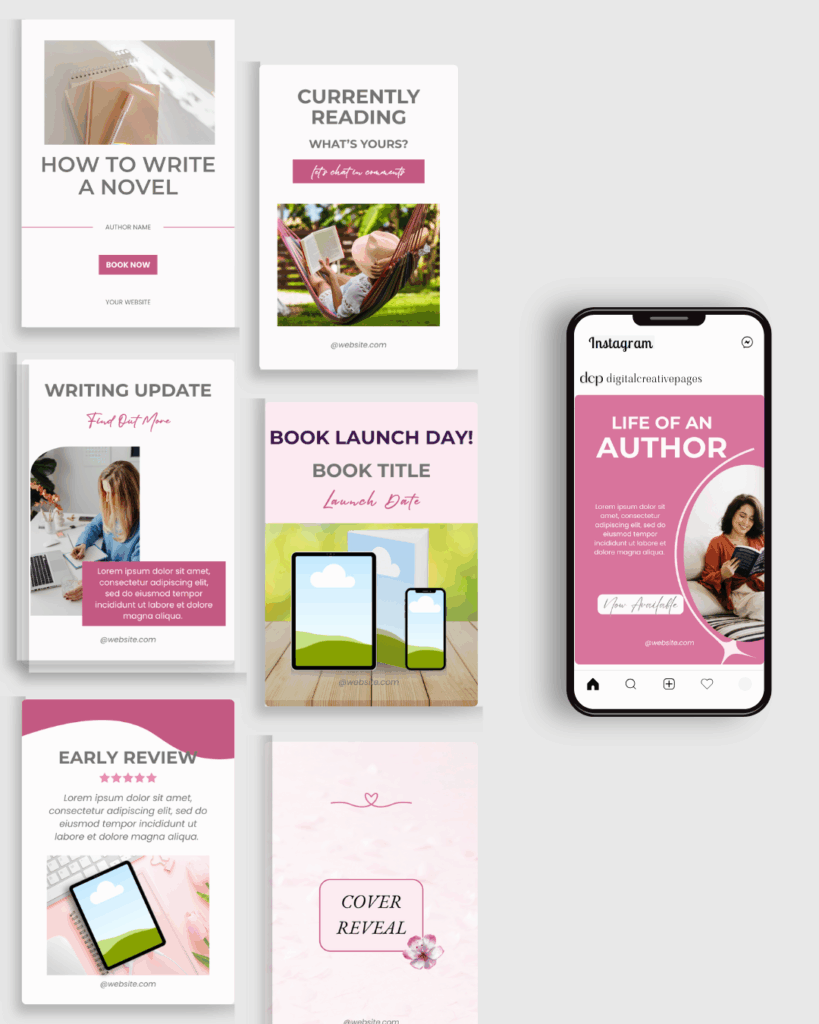
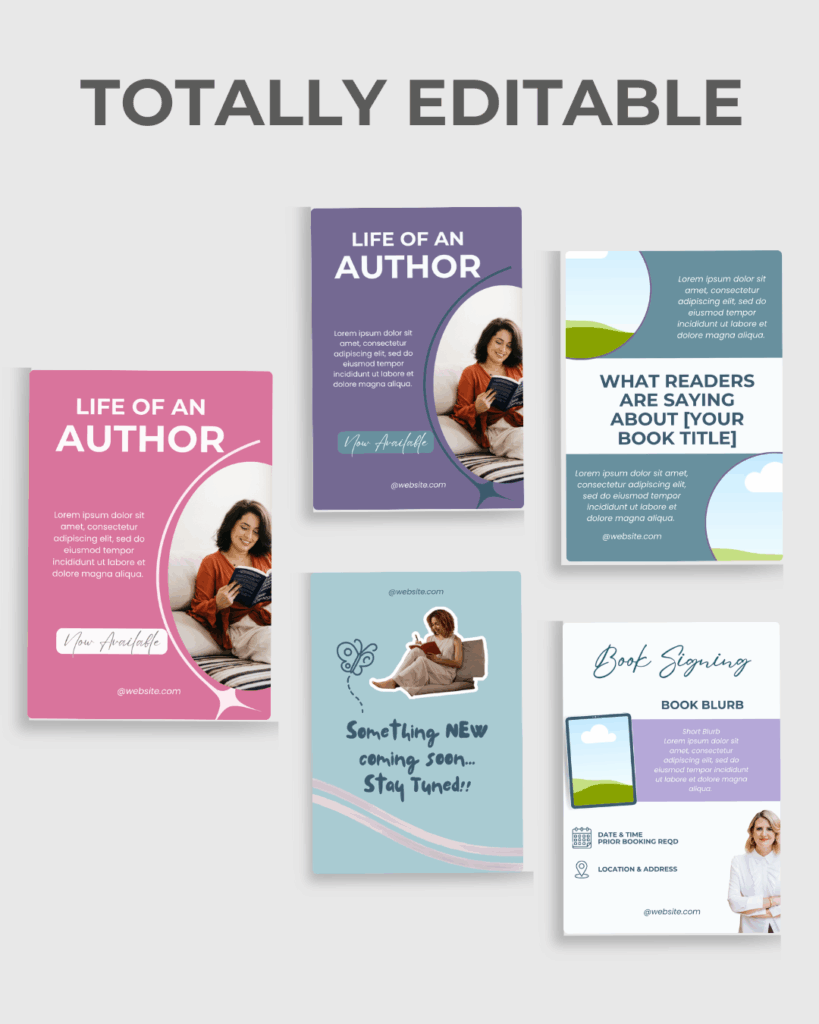
My Author Book Engagement Template Pack includes 112 ready-to-use Canva designs for Instagram and Pinterest. Perfect for cover reveals, book launches, reader engagement, and everything in between. No more staring at blank Canva pages wondering what to post! These templates work for any genre and require no Canva Pro account. Simply download, customize with your book details and brand colors, and post.
For less than the cost of 2 lattes, get your template pack here, and never run out of engaging content ideas again
MY TOP POSTS
My introducer post – check out why I chose Showit as my website builder here
Use my code DCP to get one 1.5 months free on Showit
Get all the resources for your social media and digital marketing without breaking the bank from my DCP Shop here
Pin this for later
By signing up for my freebies, you are agreeing that I can use your email address to market to you. You can unsubscribe from marketing emails at any time by using the link in my emails.
Previous post
next post
Search + Enter

meet nila

Hi. I am
Nila
Beta reader, book editor, Pinterest manager, Showit VA
I’m a beta reader and book editor and PA for authors, specializing in story clarity and developmental feedback. I run a sustainable online business that keeps working for me 24/7.
Along with this, I offer Pinterest management for overwhelmed creatives and entrepreneurs and set up and customize Showit templates when the tech side gets too overwhelming.

My Shop
Buy now
i need it

Free Stuff
get the goods
check it out

My Favorites
apps + Tools
Yes, please


